Infertility & Fertility Care
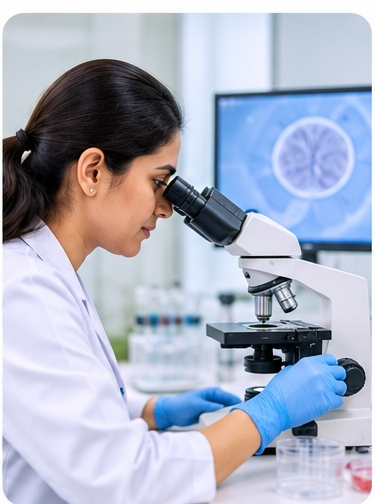
A step-by-step fertility work-up for couples, with follicular study, ovulation induction and IUI.
Learn more
Hormones shape a woman's health from her first period to menopause. Irregular cycles, heavy bleeding, acne, unwanted hair growth, weight gain, hot flushes and mood changes are common, and they are worth discussing rather than putting up with.
The PCOD clinic, adolescent care and menopause care focus on understanding the cause of your symptoms and treating them in a way that suits your age and your plans, whether that is regular periods, clearer skin, pregnancy or comfort after menopause.
Diagnosis with history, examination, scan and blood tests, followed by a plan covering lifestyle, cycle regulation, skin and hair concerns, and fertility when you want it.
Gentle, age-appropriate care for teenagers with delayed, irregular, heavy or painful periods, with a parent present.
Evaluation and treatment of heavy, frequent or painful periods at any age.
Advice and treatment for hot flushes, sleep and mood changes, vaginal dryness and bone health.
Here is how your care usually goes, step by step.
A detailed discussion of your cycle, symptoms and family history.
A scan and blood tests where they are needed.
Lifestyle measures and medicines chosen for your age and goals.
Review visits to check that treatment is working and adjust it.
Treatment aims to make periods more predictable and manageable.
Early care for PCOD helps when you plan a pregnancy.
Attention to weight, sugar and blood pressure lowers later risks.
Symptoms can be treated rather than endured.
PCOD is a long-term condition, but its symptoms can be controlled well with lifestyle changes and treatment.
Most women with PCOD can conceive, some with a little help to ovulate.
Periods are often irregular in the first couple of years. Very heavy, very painful or long-absent periods should be checked.
Not everyone does. If symptoms affect your daily life, there are safe and effective options to discuss.
A step-by-step fertility work-up for couples, with follicular study, ovulation induction and IUI.
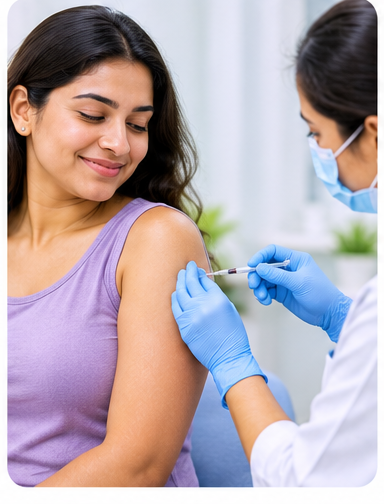
Learn morePap smear, colposcopy and HPV vaccination to prevent cervical cancer or find changes early.
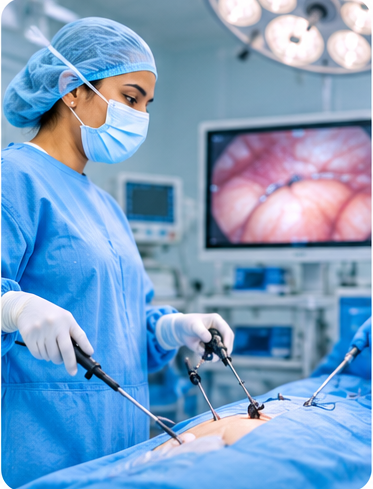
Learn moreKeyhole surgery for fibroids, ovarian cysts, endometriosis and hysterectomy, with smaller cuts and a quicker return to routine.
Learn more